Southwest Michigan Farmers Struggle to Hold On
Over the last decade and a half, Michigan has lost specialty crops at nearly twice the rate of the U.S. on average, according to a report released in March by the Michigan State University Extension. More than 1,700 Southwest Michigan farms ceased operation between 2012 and 2022, the most recent year for which data is available.
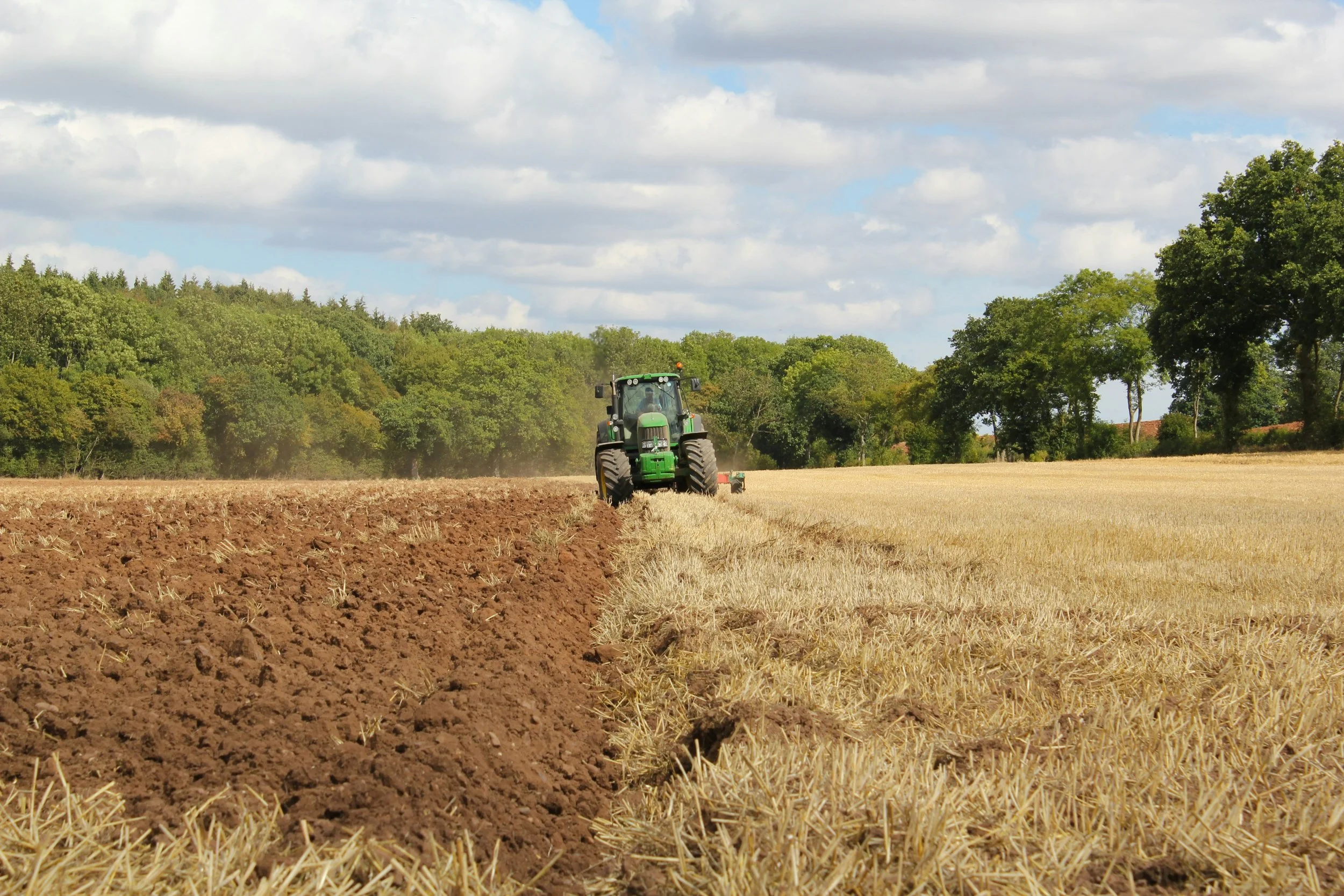
Agriculture is woven into the identity of St. Joseph County and the broader Southwest Michigan region. But the farms that define this landscape are disappearing at an alarming rate, and those that remain are under mounting pressure from multiple directions at once.
A detailed report from Watershed Voice's Julie Riddle lays out the squeeze: more than 1,700 Southwest Michigan farms ceased operation between 2012 and 2022, and Michigan has lost specialty crops at nearly twice the rate of the U.S. average over the last decade and a half, according to Michigan State University Extension.
The problem isn't one thing. It's three converging pressures hitting at the same time.
High labor costs and an influx of foreign produce have reduced profit margins and forced some Southwest Michigan farms to close, with other farmers saying they could go under too if nothing changes. The region's farms depend heavily on migrant labor: Southwest Michigan farms make up 14% of farms in the state but hire a third of its migrant farm workers. That’s more than 6,000 of the 19,000 reported statewide. Without those workers, growers of the region's signature fruits, vegetables, tree nuts, and nursery crops simply cannot operate.
Now, federal immigration enforcement has added a third layer of uncertainty. Even farms that hire only documented workers through the federal H-2A visa program could feel the pinch if deportation efforts ramp up locally, migrant advocates say. Fear among workers — documented and undocumented alike — is already affecting the labor pool in ways that are hard to quantify but very real.
Chris Bardenhagen, a farm educator with MSU Extension, describes the stakes plainly: "The question to me is, are we going to keep our specialty crop industries long enough to reach those solutions?"
The ripple effects of farm closures reach well beyond the fields. Local businesses, rural schools, and community institutions all feel it when farms go under and the workers and families who supported them move on. For St. Joe County residents, this is not an abstract agricultural policy debate. It's about whether the farms that have shaped this community for generations will still be here a decade from now.
The full article is well worth reading: watershedvoice.com
Ready to receive a monthly rundown of issues facing St Joe County residents?