Should Vacation Homeowners Pay More to Support the Communities They Enjoy?
A Conversation Worth Having in Rural Michigan
Southwest Michigan is blessed with beautiful lakes, rivers, forests, and recreational opportunities that attract thousands of seasonal residents every year. Many of those homeowners contribute to our local economy by shopping, dining, and supporting local businesses.
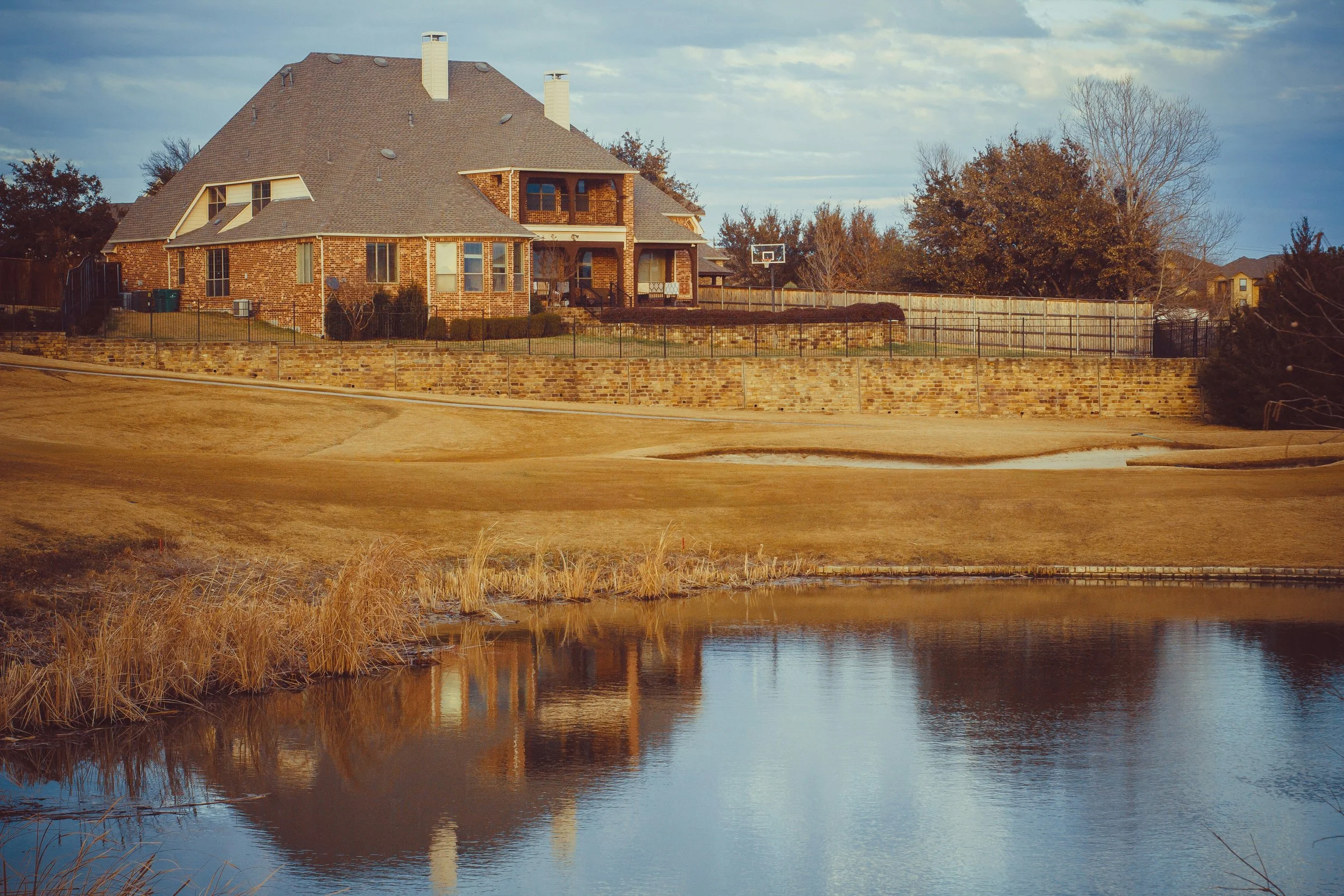
At the same time, every home, whether occupied year-round or only a few weekends each year, relies on community services. Roads must be maintained, 911 calls answered, sheriff's deputies available, and fire and EMS services ready to respond.
That raises an important question:
Should owners of higher-value vacation homes contribute a little more to help support the communities they enjoy, while protecting full-time residents from additional property taxes?
This isn't a proposal currently under consideration in Michigan. Rather, it's an opportunity to consider how other states are addressing similar challenges.
What Did New York City Do?
In 2026, New York adopted a Non-Primary Residence Surcharge (often called a "pied-à-terre tax") on certain luxury homes that are not the owner's primary residence.
Unlike what many people assume, this is not a tax on every second home. It applies only to high-value residences meeting specific legal criteria. The goal was to ask owners of luxury homes that sit vacant much of the year to contribute more toward the public services they benefit from when they are in the city.
Supporters argued the policy could generate hundreds of millions of dollars annually for public services without increasing taxes on most New Yorkers.
Learn more:
Michigan Isn't New York
A $5 million threshold makes sense in Manhattan, but very few vacation homes in Michigan would qualify.
If Michigan ever considered a similar approach, a more realistic threshold might be a non-primary residence valued above maybe $600,000 (roughly corresponding to a State Equalized Value of about $300,000), or another amount established through legislative debate.
Such a policy could be designed to affect only higher-value vacation properties while leaving the overwhelming majority of homeowners—including year-round residents and owners of modest cottages or cabins—unaffected.
Why Do Rural Communities Need More Revenue?
Rural communities often have smaller tax bases than urban areas, yet they must still provide many of the same essential public services.
Those services include:
Sheriff's departments
Emergency Medical Services (EMS)
Volunteer fire departments
911 dispatch centers
Road and bridge maintenance
Parks and recreation
Public libraries
Local schools
Volunteer fire departments deserve special mention. Although firefighters generously donate their time, departments must still purchase expensive equipment including fire engines, protective gear, breathing apparatus, radios, rescue tools, fuel, and ongoing training. Those costs continue to rise, even in communities with relatively small populations.
Several organizations have documented the financial challenges facing rural emergency services:
National Association of Counties – Rural Counties:https://naco.org/topics/rural-affairs
National Volunteer Fire Council:https://www.nvfc.org
National Rural Health Association:https://www.ruralhealth.us
Could Michigan Do Something Similar?
Michigan's property tax system is governed primarily by state law and the Michigan Constitution. Counties generally cannot create new categories of property taxes on their own.
A proposal like this would almost certainly require state legislative action. Michigan's citizen initiative process could also play a role, but whether such a proposal could be enacted through an initiated statute or would require a constitutional amendment would depend on how it was structured under Michigan's property tax laws.
Any proposal would also need to answer important questions, such as:
What property value should trigger the surcharge?
Should it apply only to non-primary residences?
How should "primary residence" be defined?
Should all of the revenue stay in the local community where it is collected?
Which services should receive the funding?
How Could This Benefit St. Joseph County?
If revenue from a modest surcharge on higher-value non-primary residences remained in the communities where it was collected, it could help support:
Volunteer fire departments
Sheriff's patrols
EMS and ambulance services
Rural road and bridge maintenance
Local parks
Public libraries
Public schools
Importantly, dedicating the revenue to these services could reduce pressure to ask year-round residents to shoulder additional tax increases in the future.
A Conversation Worth Having
Seasonal homeowners are an important part of many Michigan communities. They support local businesses, contribute property taxes, and help sustain our tourism economy.
The question isn't whether vacation homeowners are valuable neighbors—they are.
The question is whether owners of higher-value, non-primary residences should contribute a little more toward the public services that make our rural communities safe, attractive, and welcoming for everyone.
As Michigan communities continue searching for sustainable ways to fund essential local services, this may be one idea worth discussing.
Did You Know?
Nearly half of all firefighters in the United States are volunteers, and in many rural communities, volunteer departments protect the majority of residents. While firefighters donate their time, departments must still purchase and maintain expensive equipment, vehicles, radios, protective gear, and training. Finding stable funding for these essential services remains a growing challenge nationwide.