FEMA Denial Leaves St. Joseph County to Carry More of the Tornado Recovery Load
St. Joseph County's recovery from the March 6 tornadoes just got harder. The Federal Emergency Management Agency has officially denied the State of Michigan's appeal for federal disaster assistance, closing the door on two programs that local families and local government were counting on.
That means no FEMA Individual Assistance for eligible households in St. Joseph, Cass and Branch counties, and no statewide Hazard Mitigation Grant Program funding tied to this disaster. The need for recovery hasn't gone anywhere. It's just landing on residents, local government, nonprofits, insurers and the state instead of on Washington.
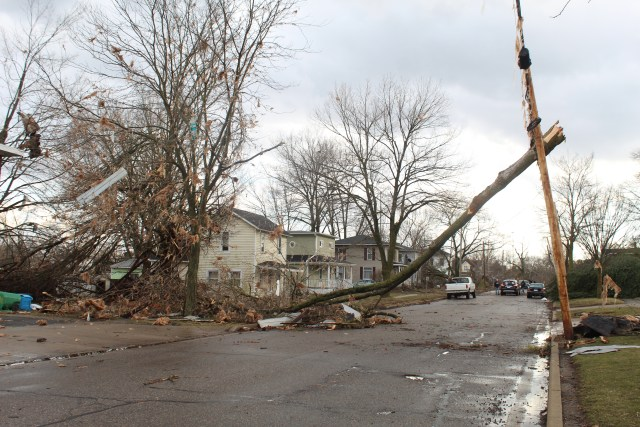
Photo: Robert Tomlinson
What FEMA Said No To
Four tornadoes, ranging from EF-0 to EF-3, tore through southern Lower Michigan on March 6. Three Rivers, Edwardsburg and Union City took the hardest hits. Homes and businesses were damaged or destroyed, vehicles were overturned, trees came down across the region and thousands lost power. Four people died in the outbreak: a 12-year-old child in Cass County and three adults in Union City.
Michigan asked FEMA for two things after that storm. The first was Individual Assistance (IA), which would have given direct financial help to households with uninsured or underinsured losses, covering things like temporary housing and essential repairs. The second was Hazard Mitigation Grant Program (HMGP) funding, which helps state and local governments pay for projects that reduce damage from future disasters.
FEMA denied both requests in May. The state appealed on June 23. This month, FEMA upheld its original decision on both counts. The agency's reasoning: the disaster didn't meet the federal threshold for severity and magnitude required for a major disaster declaration, and its impact didn't exceed what state agencies, local governments and volunteer organizations could handle on their own.
If that reasoning feels disconnected from what families in Three Rivers, Edwardsburg and Union City actually lived through in March, you're not alone. It's still the standard that determines whether federal aid shows up.
What This Means for Families
The households who feel this most are the ones whose insurance didn't fully cover their losses. A preliminary damage assessment found more than 30 percent of affected households in the disaster area lacked insurance sufficient to cover their damage, according to a congressional letter that backed Michigan's appeal. That same letter pointed out that the hardest-hit communities also have higher shares of residents who are lower income, older adults, children, people with disabilities or people relying on Social Security and other federal assistance.
Without IA, those families lose access to grant funding that doesn't have to be paid back. What's left is the Small Business Administration's low-interest disaster loan program, available to homeowners, renters, businesses and private nonprofits in the affected counties for damage to homes, personal property, vehicles, fences and debris removal. Loans can help. They also have to be repaid, on top of whatever deductibles and out-of-pocket costs a family is already absorbing.
What This Means for the County
Local government doesn't get to close the book on this either. St. Joseph County Emergency Manager Josh Shook has pointed to a few resources still standing: After the Storm continues working with homeowners and property owners, the St. Joseph County United Way is available to help, and anyone with unmet needs can call 211.
That's the shape of recovery now. Fragmented. Household by household, agency by agency, instead of one federal pathway that residents could count on. City and county staff will spend more time than they'd like fielding questions, making referrals and helping people navigate a process that used to have a federal backstop.
The HMGP denial adds a second layer to this. That funding was meant to help communities harden infrastructure and reduce losses from the next disaster, not just this one. Losing it doesn't stop local mitigation work, but it does make that work harder to pay for, and it puts more weight on the county and its partners to find funding elsewhere.
Where Help Still Exists
The FEMA denial doesn't mean every door is closed. Here's what's still available to residents affected by the March tornadoes:
SBA disaster loans. Low-interest loans remain open to qualified homeowners, renters, businesses and nonprofits. The application deadline has been extended through an August 28 grace period.
After the Storm. Case management for residents in Cass, Branch and St. Joseph counties.
Michigan Disaster Recovery Hotline. 313-380-1350.
St. Joseph County United Way and 211. Local support for residents with unmet needs.
Red Cross, local churches and community organizations. Additional recovery assistance is available through these partners as well.
Recovery Without a Safety Net
Governor Whitmer's office said the state will keep working with local partners to support survivors and connect them with what's available. That's the right instinct, and it's also an admission that Michigan is now managing this recovery largely on its own.
Three Rivers, Constantine, Sturgis and every township in between will feel this differently depending on how hard the storm hit and how thin household insurance ran. But the underlying story is the same across St. Joseph County: a federal government that decided this disaster wasn't severe enough to warrant help, even after losing four lives and leveling homes across three counties.
Recovery will still happen. It'll just take longer, cost families more out of pocket and depend more on neighbors, local nonprofits and county staff picking up the slack federal aid was supposed to cover.
What would it take for our congressional delegation to push FEMA back to the table on this one?
Sources: